
- Shandong Loyal Industrial Co.,Ltd.
- Macaroni Production Machine Instant Noodle Machine Biscuit Making Machine
 English
 العربية
 Español
 Français
 Português
 Русский язык
 中文
中文
Home> Company News> How Does a Twin-Screw Extruder "Reshape" the Nutrition and Form of a Rice Grain?

How Does a Twin-Screw Extruder "Reshape" the Nutrition and Form of a Rice Grain?
2026-02-24 17:35:42As more and more consumers focus on the nutritional fortification of staple foods, a type of "non-natural" rice—artificial rice (also known as fortified rice or reconstituted rice)—is quietly entering the public eye. It is not grown in the field, but rather created through technology that "reconstitutes" various grains and nutrients. Many customers approach us with curiosity and questions: How is this rice produced? What's special about its production line? Today, Shandong Loyal Industrial Co., Ltd. will reveal the secrets of this amazing production line that "turns" powder into rice grains.
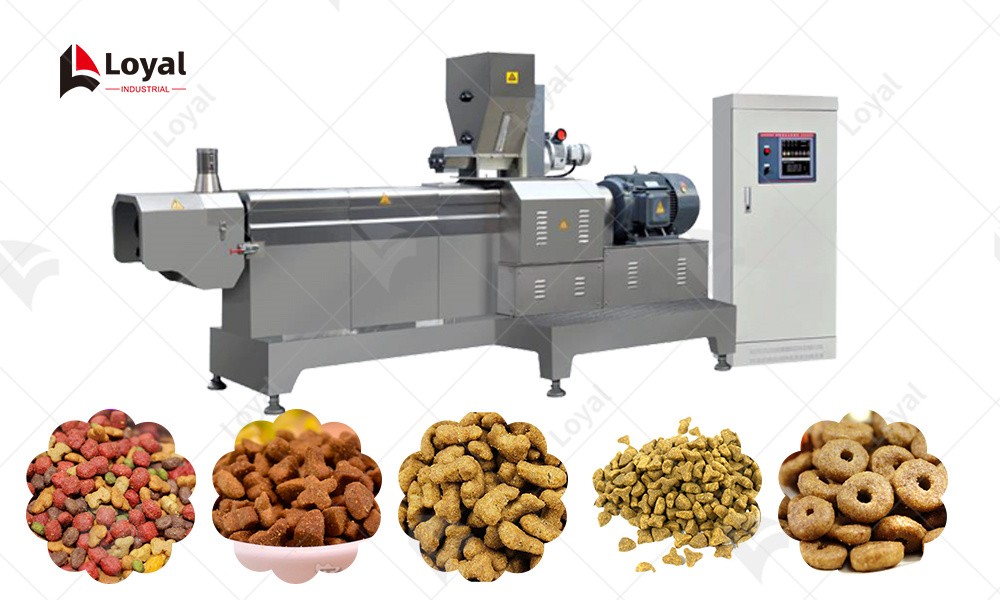
What problems does artificial rice solve?
Simply put, artificial rice is designed to compensate for the nutritional deficiencies of natural rice. By precisely adding vitamins, minerals, dietary fiber, and even protein to basic raw materials (such as rice flour, corn flour, and wheat flour), artificial rice achieves nutritional balance in staple foods. This is of significant value for specific groups (such as students, the elderly, and patients with special illnesses) and families pursuing healthy eating. The core challenge in producing it lies in how to uniformly blend these ingredients to ultimately form "granules" with an appearance, taste, and cooking performance close to or even superior to natural rice.
How does the core equipment achieve "powder to rice"?
The "heart" of the entire production line remains the twin-screw extruder, but here it plays the role of a precise "forming master."
1. Precise Mixing and Conditioning: The batching system at the front end of the production line is responsible for the high-precision mixing of various powdered basic raw materials and micronutrient fortifiers, ensuring that the nutritional composition of every gram of mixed powder strictly conforms to the formula. Subsequently, the mixed powder and liquids such as water are uniformly moistened in the conditioner to form raw materials with consistent moisture and good flowability, laying the foundation for subsequent stable extrusion.
2. Extrusion Curing and Shaping: This is the most crucial step. The moistened material enters the twin-screw extruder. Under the combined action of the screw's conveying, shearing, and frictional heat generation, along with external heating, the starch in the material is fully gelatinized, the proteins denature, and all components are integrated, transforming into a dough-like substance with good viscoelasticity. Subsequently, the material is forced through a specially designed "rice grain mold." This mold is covered with carefully designed holes, the shape, size, and arrangement of which directly determine the grain shape of the artificial rice (e.g., long grains, round grains). The extruded strip is cut into uniform "rice grain" embryos by a rotating cutter. This process places extremely high demands on the equipment's temperature control stability, pressure stability, and cutting precision, which is crucial for ensuring uniform rice grain size and consistent ripening.
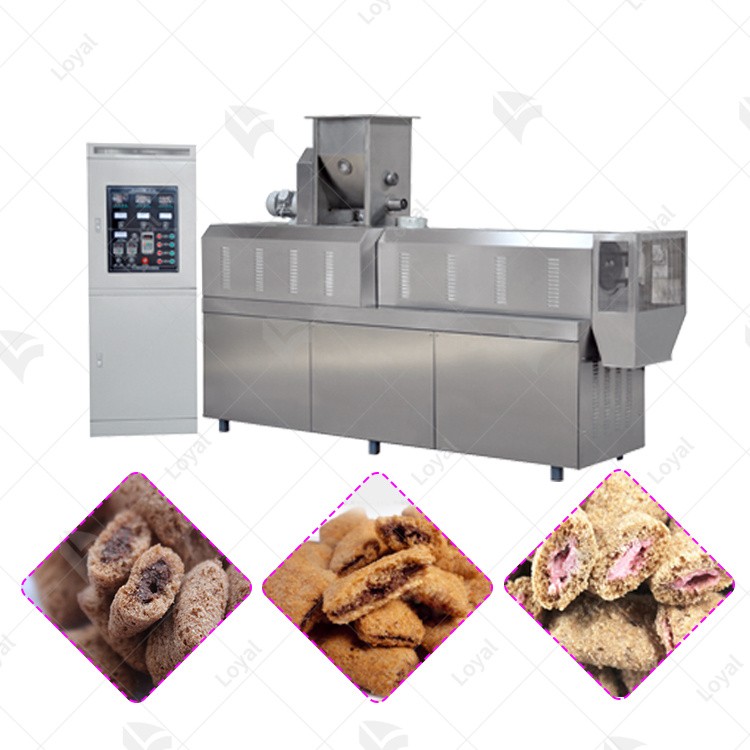
3. Aging and Drying The freshly cut rice grain embryos are relatively soft and require a period of aging (ripening) to allow internal moisture to migrate and the structure to stabilize. The rice grains then enter a multi-layer mesh belt dryer for gentle, slow drying. The drying curve needs careful design: drying too quickly will cause the rice grains to crack; drying too slowly is inefficient and may affect quality. Proper drying gives the artificial rice sufficient firmness while retaining its porous structure that allows it to reabsorb water during cooking.
4. Polishing and Screening
The dried artificial rice may have a slightly rough surface. Polishing can smooth the surface, making it closer to the appearance of natural rice. Finally, fine screening removes broken grains and clumps, resulting in a finished product with uniform grains.
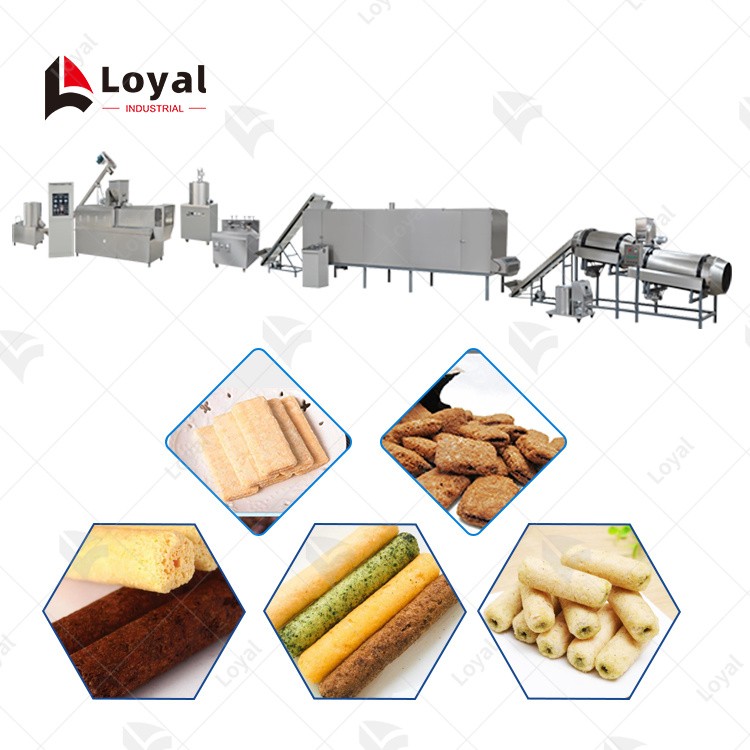
We Offer More Than Just an Equipment List
At Shandong Loyal Industrial Co., Ltd., we understand that artificial rice projects are not just about equipment procurement, but a complete technological realization process from formulation to product. Therefore, our services include:
Process Feasibility Analysis: Collaborating with you to explore the industrialization path of the formulation.
Pilot Production and Sample Making: Producing samples on our pilot line to verify taste, cookability, and nutritional indicators, ensuring the feasibility of the solution before scaling up.
Turnkey Project: Providing a complete production line from raw material processing to finished product packaging, and responsible for installation, commissioning, and operation training.
Continuous Process Optimization Support: Providing long-term technical support for your subsequent formulation fine-tuning and new product development.
With the advancement of the trend towards nutritional staple foods, the artificial rice market has broad prospects. Whether you are a grain processing company looking to upgrade your products or planning to enter the emerging field of nutritious staple foods, a mature and reliable artificial rice production line is the cornerstone of your success.
If you are interested in artificial rice production technology or would like to learn more about our twin-screw extruders and complete production line solutions, please feel free to contact Shandong Loyal Industrial Co., Ltd. We look forward to using our expertise to help you transform the concept of "nutritional fortification" into perfectly cooked, delicious, and healthy products for your table.

Reference
The following are five authoritative foreign literature websites in the field of Industrial food machinery:
1. Food Engineering Magazine
Website: https://www.foodengineeringmag.com/
2.Food Processing Magazine
Website: https://www.foodprocessing.com/
3.Journal of Food Engineering
Website:https://www.journals.elsevier.com/journal-of-food-engineering
4. Food Manufacturing Magazine
Website:https://www.foodmanufacturing.com/
5. International Journal of Food Science & Technology
Website:https://onlinelibrary.wiley.com/
 modified starch production line
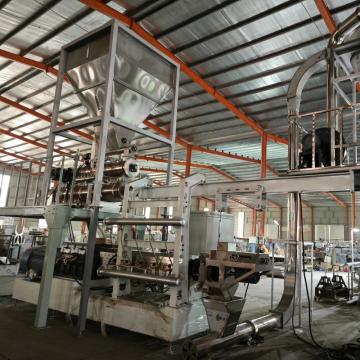 Textured Protein Production Line
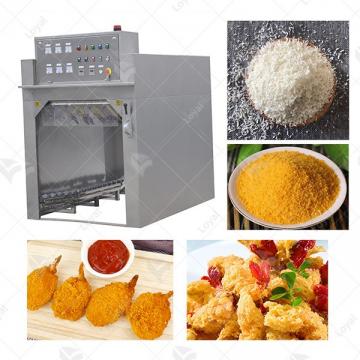 Commercial Japanese Panko Bread Crumb Grinder Machine
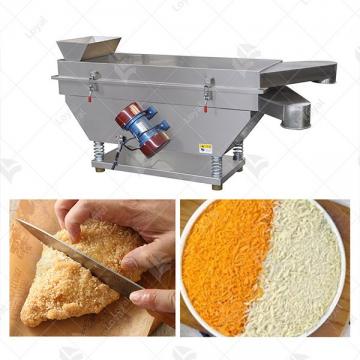 Japanese Bread Crumbs Processing Line